Six questions to ask before you renew your asset management software
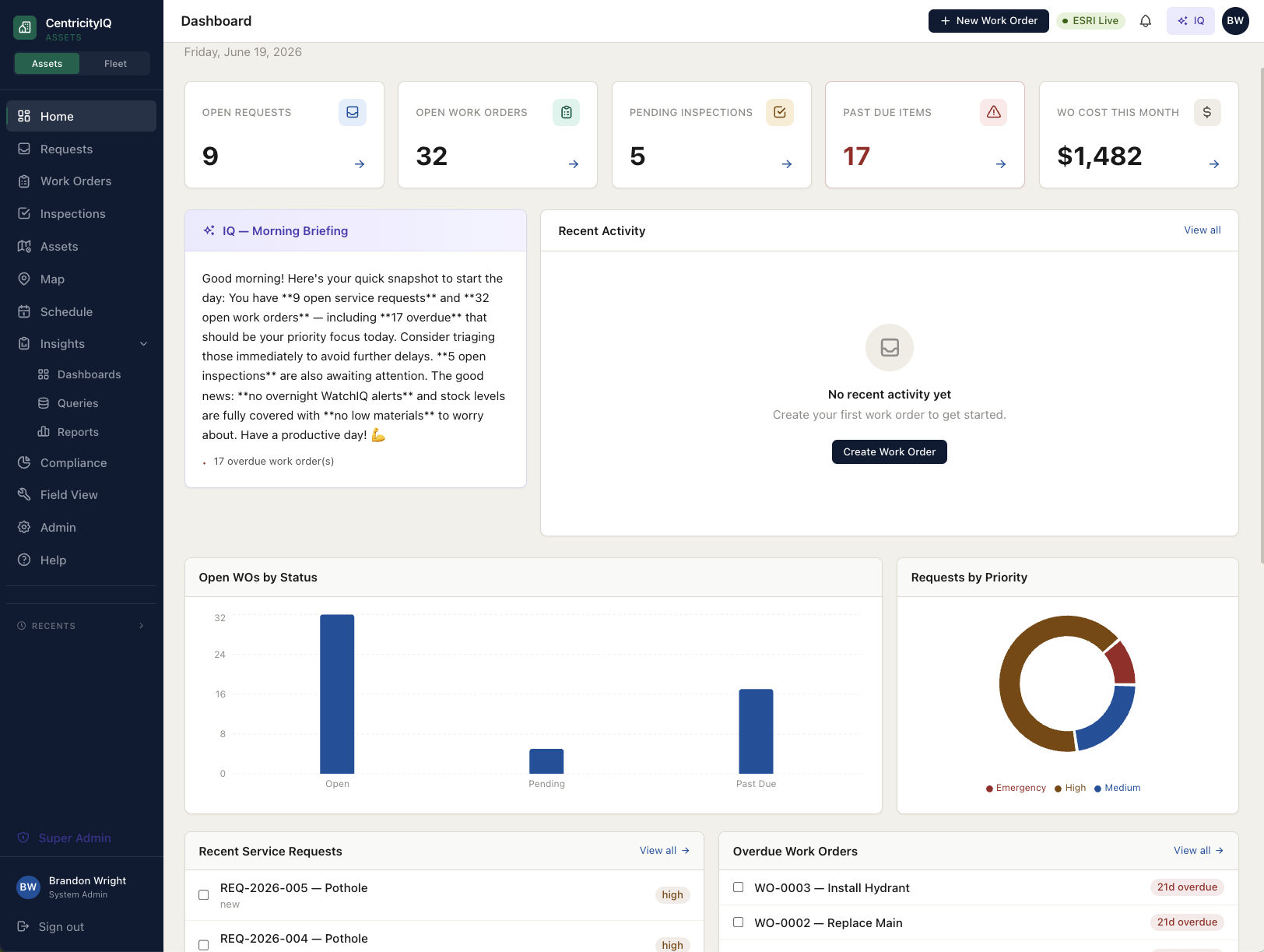
Most agencies treat staying put as the safe choice and switching as the risky one. That instinct is backwards often enough to be worth examining. Renewing on autopilot isn’t a non-decision — it’s a multi-year commitment you make by not making it, usually at a price you haven’t scrutinized since the last time you were forced to.
Here are six things worth checking before the next renewal lands.
1. What are you actually paying, all in?
The license fee is rarely the whole number. Add hosting, support tiers, per-user or per-module charges, and the annual services you’ve quietly come to depend on. Then divide by the number of people who genuinely use the system each week. That figure — cost per active user — is the one worth taking to a council meeting, and it surprises most departments the first time they calculate it.
2. Is your renewal price capped, or open-ended?
Check whether your agreement limits annual increases. If it doesn’t, you don’t have a price — you have whatever next year’s invoice says. A cap is one of the easiest terms to ask for and one of the most commonly missing.
3. Is your GIS the source of truth, or a copy?
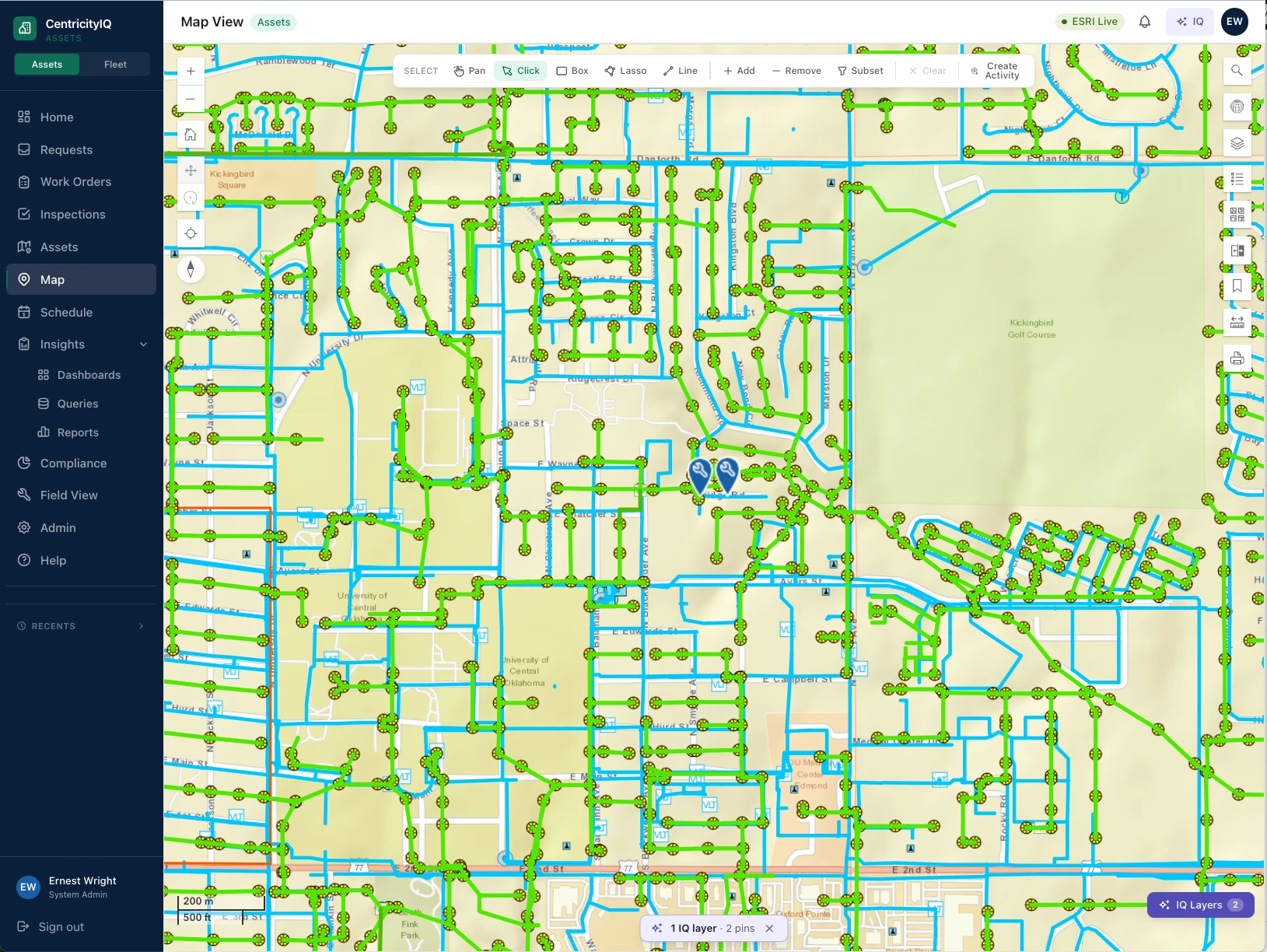
If your asset data is imported into the software’s own database on a sync schedule, there is a window — every day — where your map and your work system disagree. Ask a direct question: when my GIS team edits a feature, does the work system reflect it immediately, or on the next sync? The answer tells you whether you’re maintaining one system of record or reconciling two.
4. How much can your own staff change without calling the vendor?
Add a work-order type. Change an inspection checklist. Rename a status. If any of those requires a support ticket, a consultant, or a change order, your configuration will drift out of date — not because anyone is negligent, but because the friction is higher than the benefit. Systems that only vendors can shape slowly stop matching how the work is actually done.
5. Is the AI in it shipped, or on the roadmap?
Nearly every vendor lists AI now. Ask to see it working live, on real records, in today’s production version — not a mockup, not a beta, not “coming next release.” That single request separates a capability from a slide with remarkable speed.
6. What would it actually cost to leave?
Not as a threat — as due diligence. Can you export your full history, including attachments and cost detail, in a usable format, without a fee? Is there an open API? A vendor confident in its product doesn’t make leaving expensive. If the honest answer is “we’re staying because getting out is too painful,” that’s not loyalty. That’s lock-in, and it’s worth naming out loud.
Where CentricityIQ lands on these six
We built CentricityIQ with these exact questions in mind, because we spent years watching agencies get stuck on them. Pricing is a flat annual subscription with no per-user fees, so cost doesn’t climb as adoption does. Your ArcGIS stays the system of record — we read it live and store only a reference, never a copy. Work-order types, checklists, statuses, and crews are configured by your staff with clicks. The AI assistant is in the product today, and we’ll show it to you live on your own data. And your data stays yours: open API, full export, no exit fee.
That’s not an argument that you should switch. It’s an argument that you should ask — and that whoever you’re paying should be able to answer.